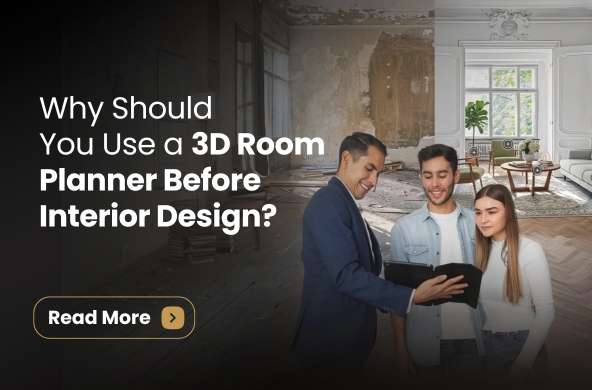
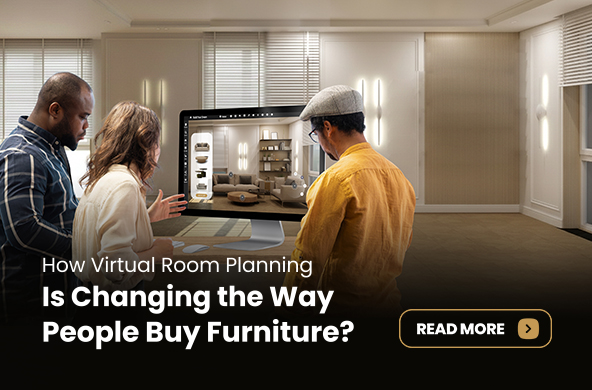
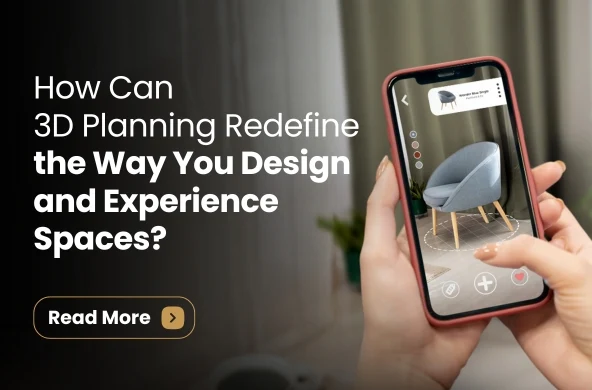
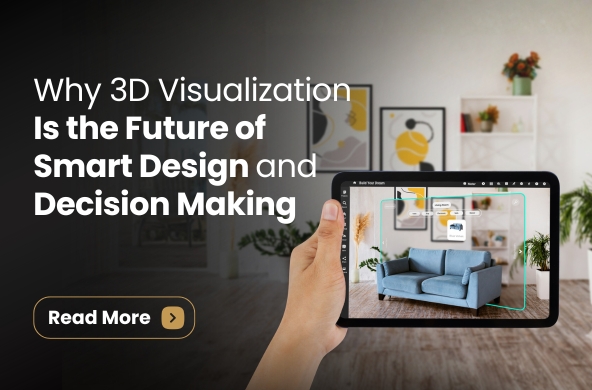
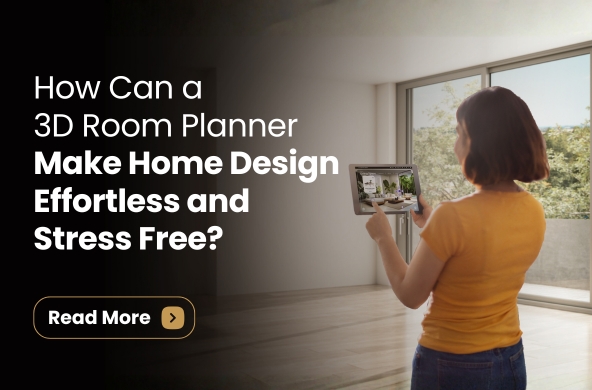
Designing the home has always been based on imagination, drawings, and trust between the designers and the homeowners. Nevertheless, the difference between the ideas of design and reality tended to cause misunderstandings, alterations, and failure to meet the expectations. The 3D visualization is transforming this process today as it enables homeowners to view, feel, and perfect their spaces even before the construction process has started.
From layout planning, material selection, and all the way to the final approval, 3D visualization provides clarity and confidence to home design, converting abstract thoughts into tangible, in-depth experiences that will inform smarter choices.
What is the benefit of 3D visualization on the precision of home design?
The 3D virtual room designer adds accuracy to the design process as ideas are transformed into visual formats, which are easily read and analyzed.
- Realistic layouts
- Accurate proportions
- Material clarity
- Lighting simulation
- Color precision
- Spatial depth
- Design consistency
What is the role of 3D visualization in the decision-making of clients?
The ability to create a preview of the future home provides 3D house planner with the power to enable homeowners to make sound decisions at the initial stages of the design process.
- Clients will have the ability to visualize the spaces, and there will be less confusion between the designers and the homeowners during the initial planning processes.
- The design alterations can be detected in the initial stages, thereby preventing expensive redesign of the construction and the need to waste materials.
- Through realistic visuals, homeowners are assured of their choice of finishes, furniture, and design.
- Effective visualization reduces the time of approval since the expectations are established before building commencement.
Striking a balance between imaginative and real-world design via visualization
The role of 3D visualization is to provide a channel between an imaginative vision and a real-life implementation. Designers are no longer constrained to the drawings or flat floor plans that are static, but are able to play around with forms, textures, and layouts within a controlled digital environment. Such flexibility supports innovation but does not make it unfeasible.
The collaboration between architects, interior designers, and clients is also assisted through visualization as a reference that helps them. Consequently, the design consultations are made fruitful, and the end product matches closely with the aesthetic objectives as well as the functions demanded.
The Future of Home Design and How It Is Being Influenced by 3D Visualization?
With the ever-changing technology, the 3D visualization is gaining ground as an indispensable tool and not an add-on value to residential design.
- Virtual walkthroughs
- Faster approvals
- Reduced errors
- Cost predictability
- Design transparency
Conclusion
Thevirtual room designer has entirely transformed the way homes are designed, experienced, and approved. Being able to provide clarity, minimize risks, and improve collaboration makes the end home look closer to the original vision. In order to transform this into reality, one can refer to Xperience NXT, where they have innovative 3D visualization solutions that make home designs come to life in accurate, creative, and future-proof technology.