Planning, visualization, and product development were based on 2D design over the years. However, with the development of industries, these flat representations are beginning to lose their usefulness. The designers, engineers, and businesses require more clarity, accuracy, and real-time visualization—something that 2D can no longer provide. This is driving industries to 3D design, where concepts are not only viewed but also felt, highlighting the 3D design advantages, and the old ways of doing things are slowly becoming a backdrop.
What are the constraints of 2D designs in the present day?
Not everything was as good as 2D drawings; the new projects need more detail and accuracy than ever.
- Limited depth clarity.
- Misinterpretation risks
- Manual revisions
- Time-consuming workflows
- Poor visualization
What benefits does 3D design have in terms of accuracy and efficiency?
With 3D design, the development of ideas is enhanced in a more interactive approach.
- Gives live visualization, which assists teams in having a quick grasp of the complicated structures and layouts.
- Eliminates the expensive design-gone-bad errors, as they can be identified early, and then the production or execution can be halted.
- Facilitates more rapid changes without having to go back to the drawing board.
- Enhances cooperation because teams will be able to revise, modify, and complete designs efficiently.
The change of static drawings to interactive experiences
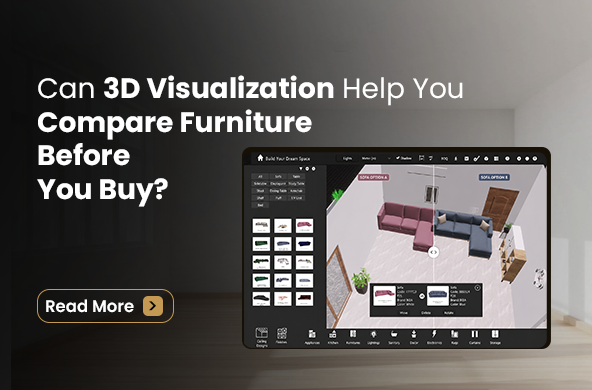
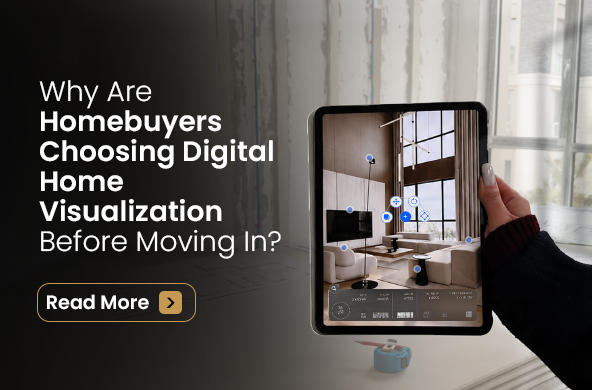
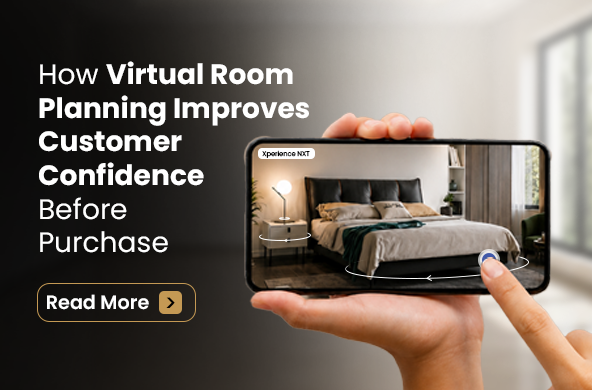
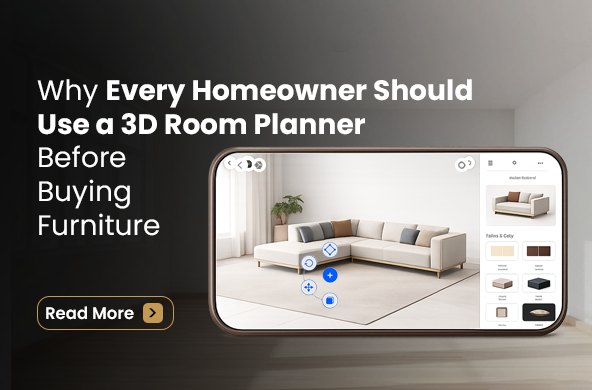
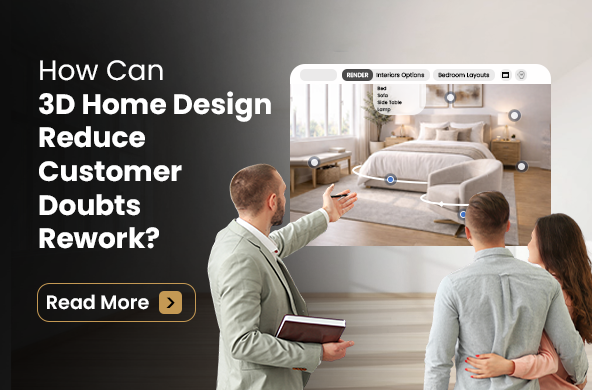
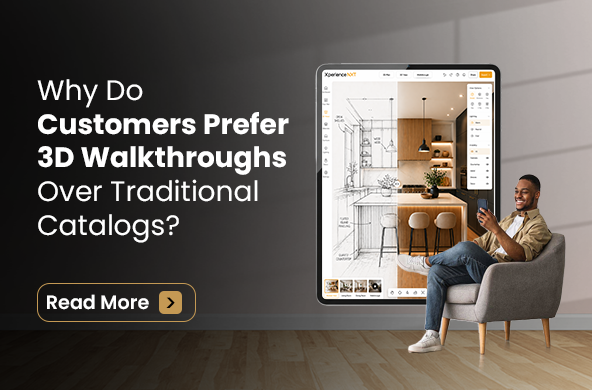
Conventional designs of 2D can be based on imagination, where the user has to visualize the result. By comparison, 3D design produces a more realistic experience. It enables the stakeholders to see the designs from a variety of perspectives, get a clear picture of the proportions, and see what might go wrong early using a virtual room designer. This shift is not only regarding improved images but also making smarter choices, minimizing risks, and having the end product closer to the expectations.
Why Are Factories Quickly Going to 3D Design?
The rise of 3D technologies is being stimulated by the need to be more precise, faster, and innovative as industries become more competitive.
- Faster decision-making
- Enhanced client presentations
- Better design validation
- Reduced production errors
- Improved project outcomes
Conclusion
The shift to 3D is not a mere trend change but a change that needs to occur. Companies that keep operating in the past with just the conventional design practices will find themselves lagging in terms of accuracy, efficiency, and innovation. With the adoption of 3D design, teams develop smarter, faster, and more reliable solutions, clearly showcasing the benefits of 3D visualization.
The only way to really be ahead in this revolution is to have solutions such as Xperience NXT fill the gap—introducing innovative 3D thinking that is exactly in line with the future of modern design.